Product Name
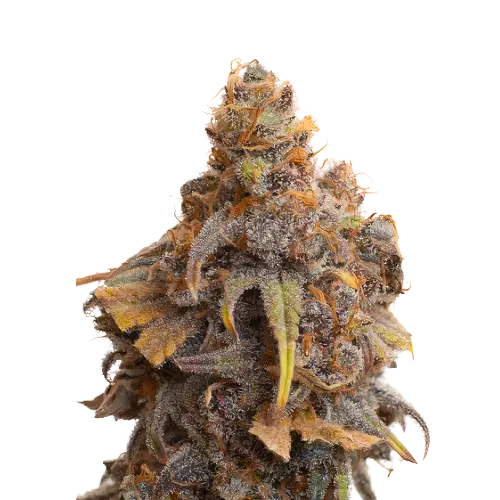
Durban Poison Auto
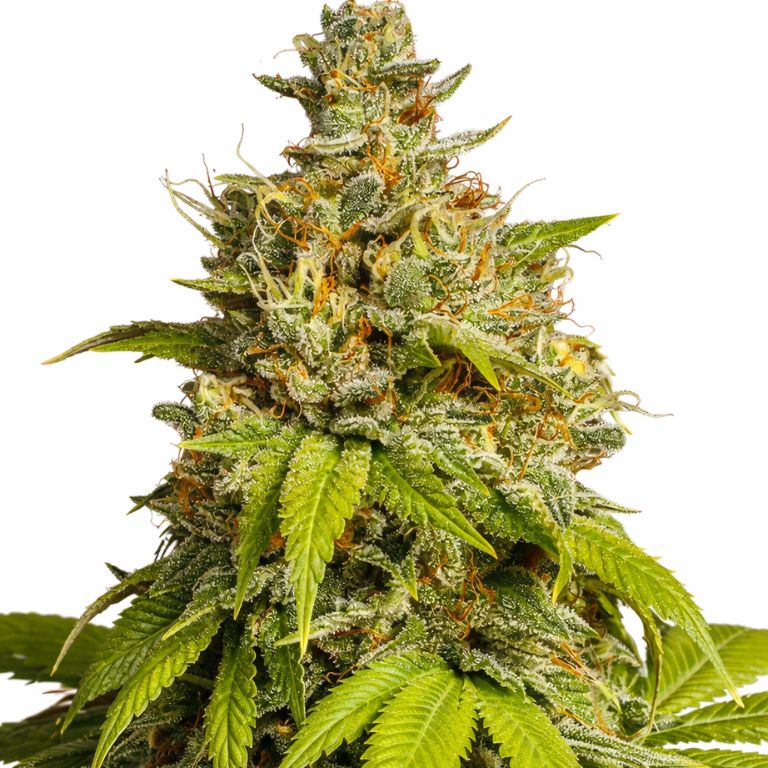
Durban Poison Auto Cannabis Samen online kaufen in Deutschland. Sativa-Sorte mit 17% THC. Wirkung: Energetic, Happy, Uplifted. Diskreter Versand nach Deutschland, Österreich und Schweiz mit Keimungsgarantie.
Die folgenden Zahlen stammen aus unserer internen Saatgut-Qualitätskontrolle und verifizierten Grower-Rückmeldungen — kein Marketing-Sprech. Erhoben an einer Charge, getestet am 2026-02-15 mit 450 Samen.
In einem Markt, der mit Sativa-Genetiken im 17%-THC-Bereich gesättigt ist, hebt sich Durban Poison durch die limonen/pinen-Terpenkombination und den handhabbaren Stretch ab, der Indoor-Räume nicht so überfordert wie reine Sativas. Verglichen mit ähnlicher Genetik in unserem Katalog tauscht Durban Poison rohe Potenz gegen Terpenkomplexität ein, was die Blüte für erfahrene Nutzer interessanter macht, die längst über die Phase hinaus sind, Qualität nur nach THC-Prozenten zu beurteilen.
Im Growroom verhält sich Durban Poison kontrolliert ihre Höhe besser als reine Sativa-Genetiken. Wo eine Haze oder Thai nach dem Flip problemlos die doppelte Höhe erreichen würde, bleibt diese Sorte bei einem handhabbaren 40-50 % Stretch. Der Kompromiss: etwas dichtere Blüten als bei einer reinen Sativa, weshalb Feuchtigkeitskontrolle in der späten Blüte wichtiger wird.
Blütezeit: 8-10 Wochen. Ertrag: 400-500g/m² indoor / 350-500g/Pflanze outdoor. Höhe: Kompakt (60-90 cm). Schwierigkeit: Mittel. Verglichen mit anderer Genetik in dieser Preisklasse ist das Ertrags-zu-Schwierigkeits-Verhältnis günstig.
Mit 17% THC liefert Durban Poison Energetic, Happy, Uplifted-Effekte mit einem limonen-beeinflussten Charakter. Der Onset ist zerebral — eine Aufhellung des mentalen Raums, die innerhalb von Minuten eintritt und Fokus, Kreativität und Konversation für 2-3 Stunden fördern kann, bevor sie graduell nachlässt. Der Körper bleibt komfortabel ohne Schwere. Die limonen-Dominanz hält den mentalen Raum hell und leicht angehoben, selbst wenn der Körper sich entspannt.
Dominante Terpene: Limonen (primär), Pinen (sekundär), Terpinolen (tertiär). Diese Kombination erzeugt einen Geschmack, der Geduld bei der Aushärtung belohnt — die Terpenkomplexität nach Woche 4 im Glas ist deutlich interessanter als der flache, eindimensionale Charakter einer überstürzten einwöchigen Aushärtung.
Besonders geeignet für Züchter, die Geschwindigkeit und Einfachheit schätzen — Autoflowering-Genetik bedeutet keine Lichtzyklus-Änderungen, kompakte Pflanzen und Ernte in 10-12 Wochen ab Samen. Der Schwierigkeitsgrad Mittel bedeutet solides Grundwissen reicht aus, aber Aufmerksamkeit für Details in der Blüte produziert merklich bessere Ergebnisse. Diskreter Versand nach Deutschland, Österreich und in die Schweiz mit unserer Keimungsgarantie.
Die aromatischen Verbindungen, die den einzigartigen Geschmack, Duft und die Wirkung von Durban Poison Auto bestimmen.
Frische Zitrus, Zitronenschale
Stimmungsaufhellung, Stressabbau
Frischer Kiefernwald
Wachheit, Gedächtnisförderung
Flieder, Muskatnuss, Kreuzkümmel
Aufmunternd, leicht beruhigend
Valencia-Orangen, Grapefruit
Entzündungshemmend, aufmunternd
Hopfen, Salbei, Ginseng
Appetithemmung, entzündungshemmend
Terpene wirken durch den "Entourage-Effekt" zusammen — sie verstärken und modulieren das gesamte Cannabis-Erlebnis über THC hinaus.
Vom Züchter dokumentierter Referenzmaßstab für die stabilisierte Durban Poison-Linie, zusammengestellt aus öffentlich berichteten Labordaten, Züchterangaben und Ergebnissen der Grower-Community. Kein unabhängiges ISO-17025-Analysezertifikat für die konkrete Samencharge.
The Durban Poison stabilized line has been carried through phenotype-driven selection across multiple generations. The reference phenotype documents the citrus-forward terpene expression, vigorous sativa structure, and consistently elevated THCa output that define the line. The data on this report reflects the genetic potential of the RKS Durban Poison stabilized line, a reference benchmark for what growers using these seeds can expect in the upper percentile of phenotypes, not an independent COA. The line is built on South African Landrace (Durban) heritage, with each generation selected to fix the traits that define Durban Poison.
Die Werte oben spiegeln den Top-Phänotyp (DP-Pheno #4) aus einer 12-Pflanzen-Kohorte der RKS Durban Poison-Linie wider. Über drei Produktionszyklen blieben die Pflanzen innerhalb eines 10–15% Variationsbereichs bei Cannabinoiden und Terpenen — die realistische Streuung, die Sie in Ihrem Tent oder Garten erwarten können.
Hinweis für deutsche Grower: Die Phänotyp-Ausprägung variiert mit Licht, Nährstoffen, VPD und Training. Diese Werte sind ein Maßstab — Ihre Werte werden ihnen folgen, sie aber nicht exakt treffen.
Referenzwerte basieren auf RKS-Zuchtraum-Bedingungen: 600–900 PPFD, VPD 1,0–1,4 kPa, mineralisch gefüttertes Coco-Substrat, 18/6 Veg · 12/12 Blüte. Outdoor-Werte gelten für eine typische deutsche Saison (Mai–Oktober). Ihre Zahlen werden je nach Umgebung, Nährstoffen und Technik variieren.
Die Genetik hinter diesen Samen wurde vom Royal King Seeds Zuchtteam gezüchtet, selektiert und stabilisiert. Die angegebenen Referenzwerte stammen aus Züchterdokumentation und öffentlich berichteten Labordaten zu dieser Sortenfamilie — nicht aus einem unabhängigen ISO-17025-Analysezertifikat. Die Daten werden als Referenzmaßstab für die stabilisierte RKS Durban Poison-Linie veröffentlicht — der dokumentierte Standard, den jeder Samen in dieser Charge erfüllen soll.
Alles, was Sie über den Anbau von Durban Poison Auto in Deutschland wissen müssen.
Durban Poison Auto wächst mit der richtigen Umgebungskontrolle in ganz Deutschland gut.
Verfolgen Sie die komplette Wachstumsreise vom Samen bis zur Ernte mit sortenspezifischen Meilensteinen und Expertentipps.
Pflanzen Sie Durban Poison Auto Samen direkt in ihren endgültigen Behälter. Autoflowers reagieren nicht gut auf Umpflanzen. Der Sämling erscheint innerhalb von 3-7 Tagen.
Tipp: Verwenden Sie 11-19 Liter Töpfe als endgültige Behälter für Autoflowers.
Keimblätter öffnen sich und die ersten gezackten echten Blätter erscheinen. Halten Sie das Licht 18-20 Stunden pro Tag an. Die Autoflower-Uhr hat begonnen.
Tipp: Sanftes Gießen um den Stängel — in diesem Stadium nicht überwässern.
Die Pflanze tritt in schnelles vegetatives Wachstum ein. Mehrere Knoten entwickeln sich schnell. Leichtes LST kann angewendet werden, um das Blätterdach zu öffnen.
Tipp: Autoflowers haben begrenzte Veg-Zeit — vermeiden Sie Hochstress-Techniken wie Toppen.
Die Pflanze geht automatisch in die Blüte über, ohne Änderung des Lichtzyklus. Weiße Stempel erscheinen an den Astverbindungen.
Tipp: Erhöhen Sie Phosphor und Kalium in der Düngung, wenn die Blüte beginnt.
Blüten bilden sich und schwellen schnell an. Die Trichomproduktion steigt. Die sortenspezifischen Aromen werden wahrnehmbar.
Tipp: Sorgen Sie für gute Luftzirkulation und überwachen Sie die Luftfeuchtigkeit unter 50%.
Die Blüten erreichen ihre maximale Größe. Trichome wechseln von klar zu milchig. Beginnen Sie die Spülung mit klarem Wasser für die letzte Woche.
Tipp: Überprüfen Sie die Trichome mit einer Lupe — ernten Sie, wenn sie überwiegend milchig sind, für ausgewogene Wirkung.
Ernten Sie Durban Poison Auto, wenn die Trichome überwiegend milchig sind. 7-10 Tage trocknen, dann in Gläsern für 2+ Wochen aushärten.
Tipp: Autoflower-Blüten härten oft schnell aus — aber längere Aushärtung verbessert den Geschmack dennoch.
Durban Poison is a pure sativa landrace from the port city of Durban, South Africa, celebrated for its energetic effects and sweet, spicy aroma.
Sehen Sie, wie Durban Poison Auto im Vergleich zu anderen beliebten Sorten abschneidet.
Durban Poison Auto
Aktuell
€10.39
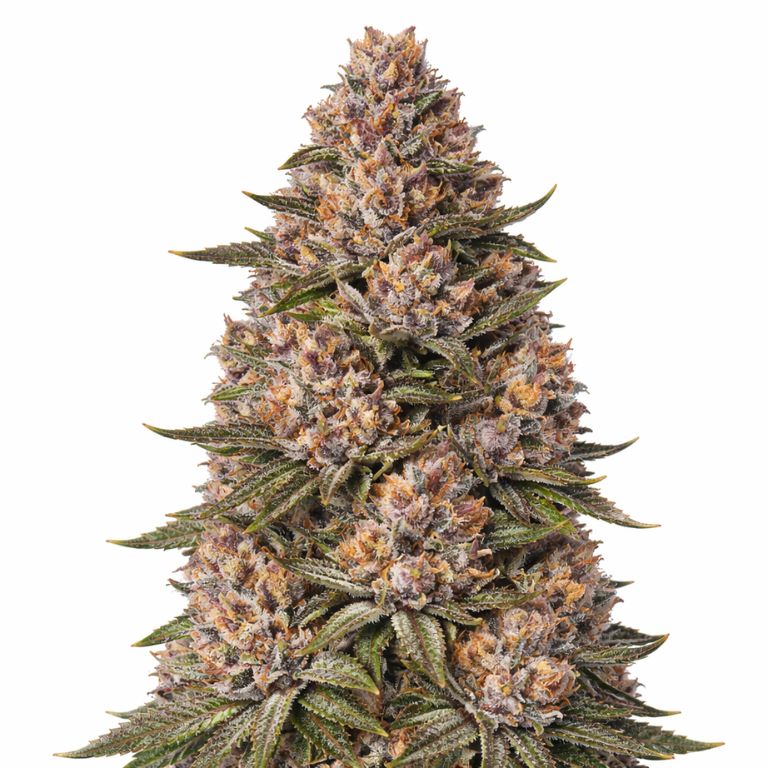
King Louis XIII Feminized
€12.49
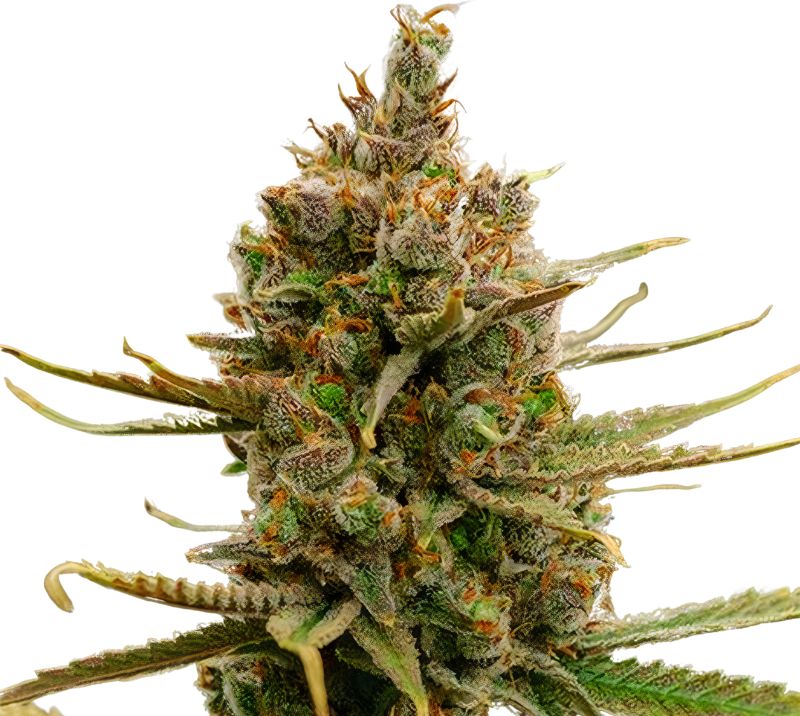
Gold Leaf Feminized
€13.49
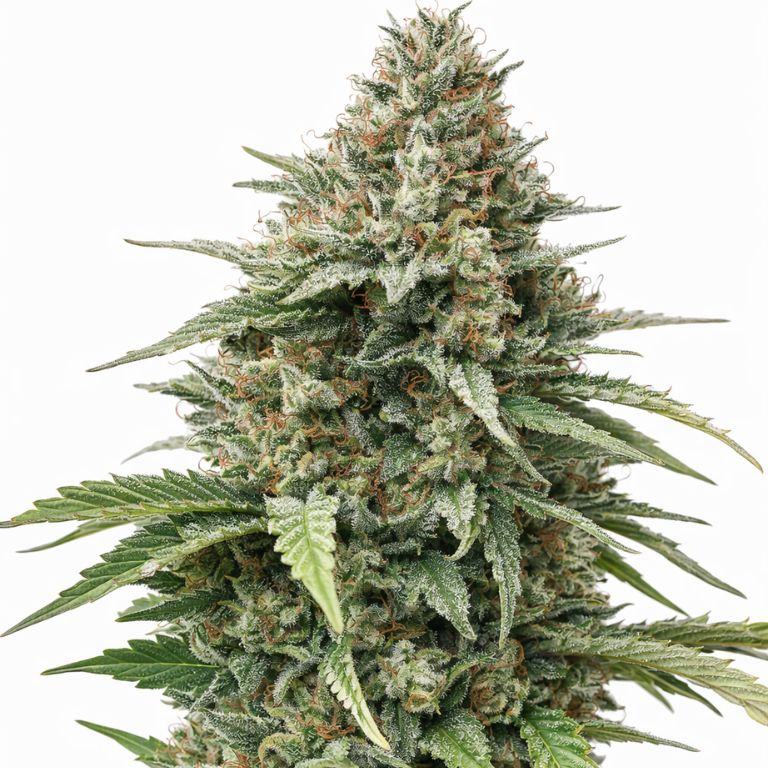
CBD Critical Cure Feminized
€12.49
Alles, was Sie über die sichere Bestellung von Durban Poison Auto wissen müssen.
Kostenloser Versand ab 150 € Bestellwert. Standardversand 9,99 €, Expressversand 19,99 €.
Wenn Ihre Samen gemäß unserer Anleitung nicht keimen, ersetzen wir sie. Das ist unser Versprechen an deutsche Grower.
Unauffällige, neutrale Verpackung ohne Cannabis-Branding. Bruchsichere Behälter schützen Ihre Samen beim Transport.
Alle Transaktionen werden über verschlüsselte, PCI-konforme Systeme verarbeitet.
Diskrete Verpackung, Sendungsverfolgung und Keimgarantie bei jeder Bestellung in ganz Deutschland.
Fragen? Kontaktieren Sie uns unter support@royalkingseeds.de
Alles, was deutsche Grower über Durban Poison Auto wissen wollen — von Anbautipps bis zu Wirkung, Ertragserwartungen und mehr.
Ja. Durban Poison Autoflower-Samen sind bestens für Anfänger geeignet. Selbstblühende Genetik bedeutet, dass die Pflanze automatisch altersabhängig blüht, ohne dass der Lichtzyklus geändert werden muss. Die Pflanzen bleiben kompakt bei 60-90 cm, und der gesamte Zyklus von der Aussaat bis zur Ernte ist in nur 9-10 weeks seed to harvest abgeschlossen. Deutsche Anfänger werden die fehlerverzeihende Natur und den schnellen Durchlauf zu schätzen wissen.
Durban Poison erzeugt aufmunternde sativa-Effekte, gekennzeichnet durch energetic, happy, uplifted. Mit 17%+ THC kannst du zerebrale Stimulation, gesteigerte Kreativität und eine klare Energie erwarten, die sie bei deutschen Konsumenten beliebt für den Tagesgebrauch macht. Die Wirkung ist motivierend, ohne bei moderater Dosierung Angst auszulösen.
Unter optimalen Bedingungen produziert Durban Poison 450-550 g/m2 Indoor und 600-700 g/plant Outdoor. Als Autoflower sind die Erträge etwas geringer als bei Photoperioden-Versionen, aber der schnelle Durchlauf ermöglicht mehrere Ernten pro deutscher Anbausaison. Deutsche Grower berichten über die besten Ergebnisse bei konstanter Umgebungskontrolle und hochwertigen Nährstoffen.
Absolut. Durban Poison Autoflower-Samen gedeihen dank ihrer automatischen Blüte und des schnellen Lebenszyklus im Freien in ganz Deutschland. Sie können von Ende Mai bis Juli gepflanzt werden und werden trotzdem vor dem Herbstfrost fertig. Grower in Bayern, Nordrhein-Westfalen und sogar in kürzeren Saisons im Norden Deutschlands berichten von erfolgreichen Outdoor-Ernten.
Durban Poison bietet ein helles, komplexes sativa-Terpenprofil mit Zitrus-, Tropenfrüchte- und Kräuternoten. Der Geschmack ist aufmunternd — süß und würzig beim Einatmen mit blumigen oder haze-artigen Untertönen. Das Aroma ist durchdringend und belebend und füllt den Grow-Raum während der späten Blüte mit frischen, energetisierenden Düften.
Durban Poison Autoflower-Samen durchlaufen ihren gesamten Lebenszyklus — von der Keimung bis zur Ernte — in 9-10 weeks seed to harvest. Das ist deutlich schneller als Photoperioden-Versionen, was sie ideal für deutsche Grower macht, die schnelle Ergebnisse wünschen oder mehrere Outdoor-Durchgänge in einer Saison planen.
Ja. Seit dem Inkrafttreten des Cannabisgesetzes (CanG) im April 2024 dürfen Erwachsene in Deutschland legal bis zu 3 Cannabispflanzen pro Person für den Eigengebrauch anbauen. Durban Poison Autoflower Samen können legal in Deutschland erworben und angebaut werden. Royal King Seeds versendet alle Bestellungen diskret mit vollständiger Sendungsverfolgung.
Durban Poison produziert typischerweise THC-Werte von 17% - 22% (Mittel-Hoch). Der tatsächliche THC-Gehalt variiert je nach Anbaubedingungen, Nährstoffen, Erntezeitpunkt und Aushärtungsmethoden. Um die Potenz zu maximieren, ernte wenn die Trichome überwiegend milchig-weiß mit etwas Bernstein sind, sorge für starke Beleuchtung während der Blüte und härte die Blüten langsam in einer kontrollierten Umgebung aus.
Noch Fragen?
Kontaktieren Sie unser Team unter support@royalkingseeds.de — wir helfen deutschen Growern gerne weiter.
Left me feeling like I was walking in the sky.
This is definitely a strain I would like to have on hand at all times.
Perfect for chronic pain didn't make me too tired still felt very social
I don't personally care for this strain.
Makes me very talkative,happy,chill and easy to make me laugh.
Strong euphoric high.
Great wake and bake strain
the strain should be respected for being quite unique.
help to shut down an overactive brain that causes sleep loss.
I love this strain it is a very uplifting daytime herb.
King Louis XIII Feminized Cannabis Samen online kaufen in Deutschland. Indica-Sorte mit 23% THC. Wirkung: Happy, Relaxed, Sleepy. Diskreter Versand nach Deutschland, Österreich und Schweiz mit Keimungsgarantie.
Gold Leaf Feminized Cannabis Samen online kaufen in Deutschland. Indica-Sorte mit 21% THC. Wirkung: Euphoric, Creative, Calm. Diskreter Versand nach Deutschland, Österreich und Schweiz mit Keimungsgarantie.
CBD Critical Cure Feminized Cannabis Samen online kaufen in Deutschland. CBD-Sorte mit 5% THC. Wirkung: Focused, Calm. Diskreter Versand nach Deutschland, Österreich und Schweiz mit Keimungsgarantie.
Swiss Feminized Cannabis Samen online kaufen in Deutschland. Indica-Sorte mit 24% THC. Wirkung: Relaxed, Sleepy, Happy. Diskreter Versand nach Deutschland, Österreich und Schweiz mit Keimungsgarantie.
Hausintern gezüchtet und stabilisiert von Royal King Genetics — unserem internen Züchterteam. Jede Charge wird vor dem Versand QC-geprüft und auf über 99 % Keimrate getestet. Lies unseren vollständigen Zuchtprozess und unsere Über-uns-Seite.
Autoflower-Genetik benötigt Mehrgenerationen-Fixierung, weil das ruderalis-stämmige Auto-Merkmal rezessiv ist. Durban Poison sitzt auf F5 — jede Pflanze im Pack blüht zuverlässig autoflower und beendet sich in einem engen Fenster.
Das Autoflower-Merkmal in Durban Poison über fünf Generationen Selektion fixieren.
Selektiert auf Terpen-Sättigung, Sativa-Vigor und ausgewogene Blütezeit trotz langblühender Genetik.
Royal King Genetics In-House-Züchterraum — Pollen aus einer generationen-getrackten Geschwister-Männchen-Linie.
Ausführliche Anleitungen aus unserem Anbau-Blog.
Sorten-Experte & Grow-Berater
Ich empfehle Sorten, gebe Grow-Tipps, vergleiche Produkte, verfolge Ihre Bestellung und lege Artikel in Ihren Warenkorb.
Budtender empfiehlt Sorten, verfolgt Bestellungen & legt in den Warenkorb